We publish what we know about fiber laser cutting physics, CNC servo control, and thermal management — because informed buyers make better decisions, regardless of whose machine they eventually purchase.
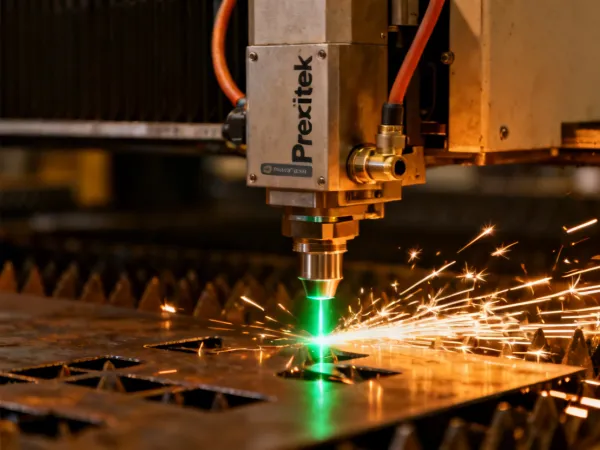
The transition from CO2 gas lasers to ytterbium-doped fiber lasers for metal cutting accelerated after 2010 for quantifiable reasons: fiber lasers achieve wall-plug efficiency of 30-40% versus 8-12% for CO2 systems, the 1.064 micron wavelength absorbs 3-5x better in reflective metals, and solid-state resonators eliminate the mirror alignment maintenance that CO2 systems require every 500-1000 operating hours.
However, fiber lasers carry a tradeoff that is frequently understated in marketing material: the shorter wavelength produces a smaller focused spot size that, while excellent for thin materials, generates narrower kerf widths on thick plate that complicate dross evacuation. Mazak addresses this through variable beam mode technology on our 10kW+ systems, switching between single-mode (small spot, high intensity) for thin sheet and multi-mode (larger spot, uniform heat distribution) for thick plate.
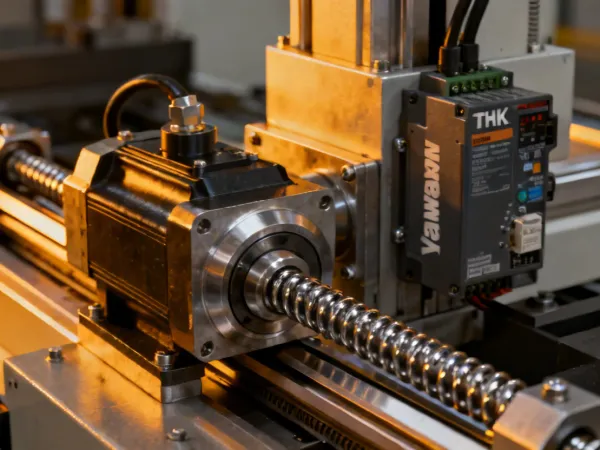
Claiming positioning accuracy numbers is simple. Delivering them consistently requires attention to four interacting subsystems that most specification sheets do not break down:
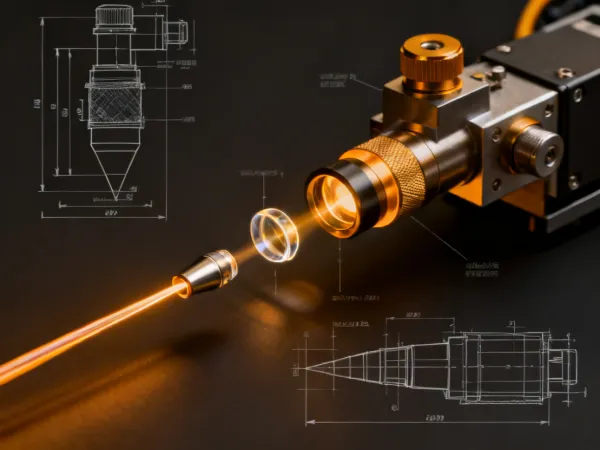
The cutting head is the most maintenance-intensive component on any fiber laser cutter. Mazak standardizes on Precitec ProCutter heads for systems up to 12kW and Precitec LightCutter for 15kW+ platforms. The selection is driven by the optical train diameter required to handle beam divergence at high power densities without damaging the collimating lens.
Three monitoring systems run continuously during cutting:
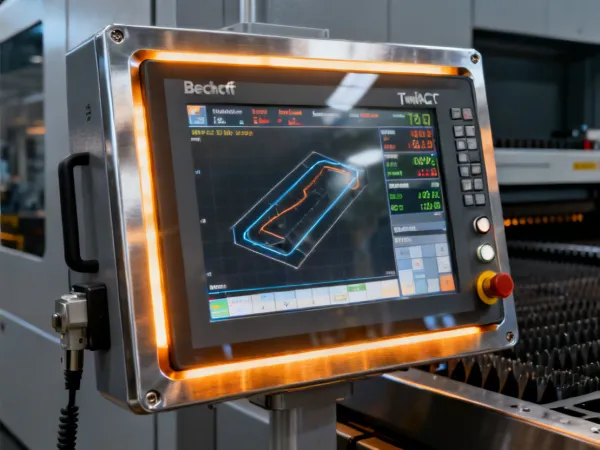
Many laser cutting machine manufacturers use proprietary control systems — closed platforms where the customer depends entirely on the machine builder for software updates, integration support, and parameter access. Mazak selected Beckhoff TwinCAT for a different reason: it is an open, PC-based automation platform with published APIs, standard EtherCAT communication, and a large ecosystem of third-party software that can connect directly to the machine.
The practical benefits for our customers:
Honest answers to the technical questions we hear most frequently from engineers evaluating fiber laser systems.
Our applications engineers are available to discuss the technical specifics of your cutting application — materials, thicknesses, tolerances, and production volumes — without sales pressure.
Start a Technical Discussion